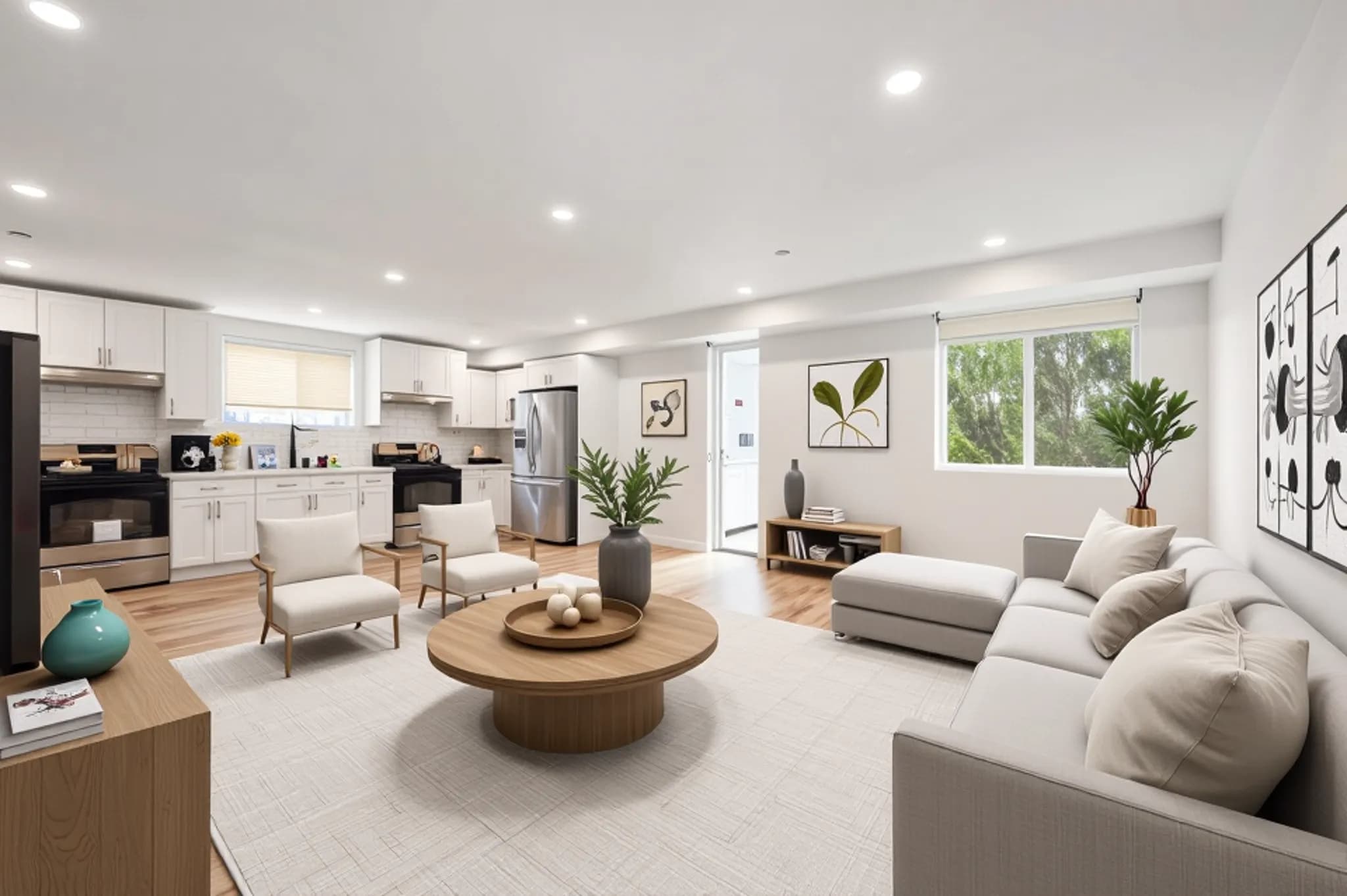
First month free on selected units!
Limited-time offer: Starting from $1049/month

Many students assume that living closer to campus automatically means safer housing, but that isn’t always true. USC DPS student housing refers to residences located within areas actively patrolled by the USC Department of Public Safety. These patrol zones offer additional security presence, regular monitoring, and quicker response times—factors that significantly impact day-to-day student life.
Students living in USC DPS housing zones often report feeling more comfortable walking home at night, commuting early in the morning, or biking between classes and home. This is why searches for safe student housing near USC and USC DPS student housing continue to rise year after year. Housing providers that focus on DPS coverage, such as Moo Housing, intentionally select properties within these zones to reduce safety risks while maintaining walkability and convenience.
The most desirable USC DPS student housing areas are typically those located immediately north and west of campus, where DPS patrol coverage overlaps with residential streets commonly occupied by students. These neighborhoods offer a balance of proximity, safety, and access to daily necessities like grocery stores, cafes, and public transportation.
Students searching for USC DPS housing often prioritize neighborhoods that are well-lit, residential rather than industrial, and consistently populated by other USC students. Living in these areas also creates a stronger sense of community, making it easier to share housing, coordinate rides, or sublease during the summer. Student-centered housing providers like Moo Housing focus heavily on these neighborhoods because they meet both safety standards and lifestyle expectations for USC students.
Not all listings labeled “near USC” qualify as true USC DPS student housing, which is why students should verify several key factors before signing a lease. DPS coverage, walking distance, and property management transparency all play a role in long-term satisfaction.
Reliable USC DPS housing options clearly communicate whether a property is within patrol boundaries, outline lease terms aligned with the academic calendar, and offer furnished or semi-furnished setups to reduce upfront costs. Moo Housing’s student housing approach reflects this model by emphasizing clarity, safety, and move-in readiness—qualities that matter more than flashy amenities for most students.
Choosing the right place to live near USC isn’t just about convenience—it’s about creating a stable, secure foundation for student life. USC DPS student housing offers an added layer of reassurance that allows students to focus on academics, social life, and personal growth rather than daily safety concerns.
By understanding DPS zones, evaluating neighborhoods carefully, and working with housing providers that prioritize student needs, students can confidently choose USC DPS housing that supports both safety and quality of life. For many USC students, this safety-first approach—championed by platforms like Moo Housing—has become the new standard for off-campus living.

When students search for the best areas to live near USC, what they’re often really looking for is USC DPS student housing — housing that is not only close to campus, but also safe, monitored, and designed for student life. In Los Angeles, where neighborhoods can change block by block, understanding USC DPS housing zones is one of the most important steps in choosing the right place to live. This guide focuses specifically on USC DPS student housing areas, explaining why DPS coverage matters, which neighborhoods students prioritize, and how to evaluate housing options that balance safety, convenience, and affordability. Housing providers like Moo Housing, which specialize in student-focused homes near USC, consistently emphasize DPS-patrolled locations because they align with what students and families value most: peace of mind and reliable access to campus.

When students search for the best areas to live near USC, what they’re often really looking for is USC DPS student housing — housing that is not only close to campus, but also safe, monitored, and designed for student life. In Los Angeles, where neighborhoods can change block by block, understanding USC DPS housing zones is one of the most important steps in choosing the right place to live. This guide focuses specifically on USC DPS student housing areas, explaining why DPS coverage matters, which neighborhoods students prioritize, and how to evaluate housing options that balance safety, convenience, and affordability. Housing providers like Moo Housing, which specialize in student-focused homes near USC, consistently emphasize DPS-patrolled locations because they align with what students and families value most: peace of mind and reliable access to campus.

When students search for the best areas to live near USC, what they’re often really looking for is USC DPS student housing — housing that is not only close to campus, but also safe, monitored, and designed for student life. In Los Angeles, where neighborhoods can change block by block, understanding USC DPS housing zones is one of the most important steps in choosing the right place to live. This guide focuses specifically on USC DPS student housing areas, explaining why DPS coverage matters, which neighborhoods students prioritize, and how to evaluate housing options that balance safety, convenience, and affordability. Housing providers like Moo Housing, which specialize in student-focused homes near USC, consistently emphasize DPS-patrolled locations because they align with what students and families value most: peace of mind and reliable access to campus.