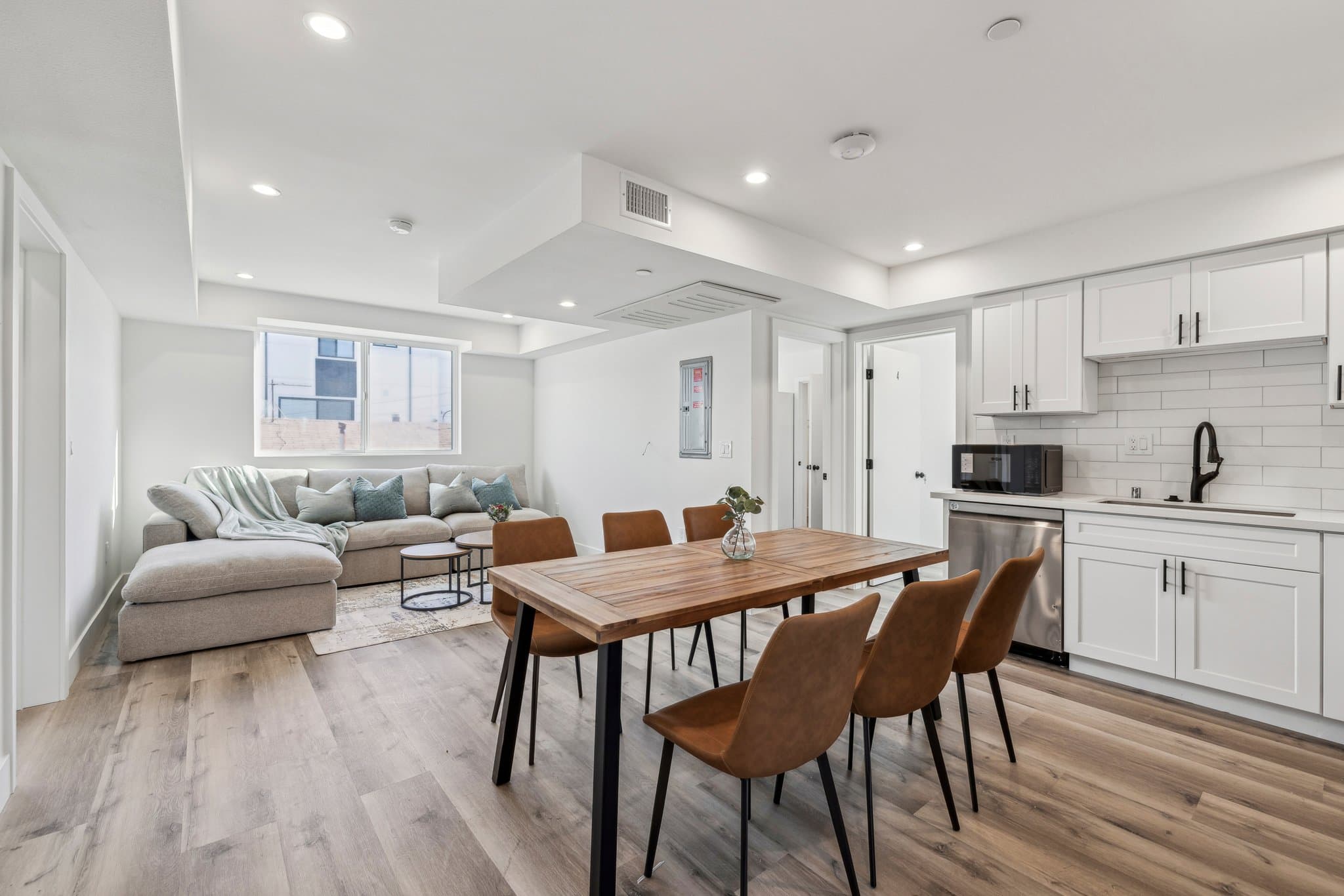
First month free on selected units!
Limited-time offer: Starting from $1049/month

USC’s off-campus rental demand tends to surge around major school decision periods and the months leading into move-in. At the same time, many student-friendly buildings operate on predictable lease cycles, which means the best inventory is often taken earlier than people expect. For students who wait until the last minute, choices narrow quickly and prices tend to feel less negotiable. The simplest way to win is to plan your shortlist early, know your must-haves, and move fast once you find a place that checks the right boxes. Moo Housing is built around this reality—helping students cut through “look-alike” listings and focus on options that are genuinely workable on commute, cost, and peace of mind.
Before you compare any listings, decide how you want to get to campus, because commute style will shape your housing options more than anything else. If you want true walk-to-campus convenience, your choices will cluster closest to USC, and you’ll usually pay more for that time savings. If you’re open to transit or biking, you’ll unlock more neighborhoods and price points, but you’ll need a realistic daily routine—especially for early classes, late study nights, and internship schedules. If you plan to drive, parking and traffic become part of your “monthly cost,” so make sure you’re evaluating the total lifestyle tradeoff, not just the rent. Moo Housing typically starts here: once your commute preference is clear, it becomes much easier to avoid “good-looking” apartments that are actually inconvenient in real life.
Most students end up choosing between student-oriented buildings and traditional apartments. Student-oriented housing is often furnished, may offer roommate matching, and tends to be operationally simpler—especially if you’re moving from out of state or from overseas. Traditional apartments can be a better value if you already have compatible roommates and are comfortable setting up utilities and managing shared responsibilities. Houses and smaller multi-unit buildings can offer more space, but maintenance quality and landlord responsiveness vary widely, so they work best for renters who can tour carefully and ask the right questions. Moo Housing focuses on student housing setups that reduce friction for USC renters—especially students who need a clear, straightforward move-in plan and want fewer surprises.
When people say “best,” they usually mean a mix of commute time, safety, and lifestyle. Areas closest to campus are popular because they reduce friction—shorter walks, easier access to study spots, and less dependence on transit schedules. Neighborhoods farther out can be attractive if you prioritize newer buildings, a quieter environment, or different amenities, but you’ll want to confirm your day-to-day travel plan is actually sustainable. The right approach is to choose two or three target zones that match your commute tolerance, then compare options inside those zones instead of touring scattered listings across the city. If safety is a top priority, many students also filter by student-heavy routes and buildings with stronger access control; Moo Housing can help you shortlist options that feel more “student-ready,” not just “available.”
A common mistake in USC off campus housing searches is focusing on base rent and ignoring everything that gets added later. Your real monthly number may include utilities, internet, furniture fees, parking, pet fees, and building amenity charges. Even within the same neighborhood, a “cheaper” listing can end up costing more after fees, while a higher-rent unit might include utilities or furniture that makes it easier overall. When you evaluate apartments, always calculate a true monthly total so you’re comparing like-for-like. Moo Housing’s value here is practical: we help students spot hidden costs early and prioritize options that are more price-transparent, so you’re not lured in by a low headline rent that becomes expensive after add-ons.
A lease is not just a formality—it’s the rulebook for your entire year. Before signing, confirm the exact unit address, lease start and end dates, what happens at renewal, how deposits are handled, and whether you’re allowed to sublease if you travel or leave for internships. Pay close attention to early termination language, because it can be expensive and restrictive. Also confirm how repairs are requested and how quickly maintenance is typically completed, since poor management can make even a great apartment miserable. Moo Housing supports students by encouraging a “lease clarity first” mindset—because the safest deal is often the one with clean terms and fewer gray areas.
If a listing pushes you to pay before you verify the unit and the management company, treat it as a red flag. Students are common scam targets because they’re moving quickly and often touring remotely. The safest process is to tour in person or through a verified video walkthrough, pay only through official portals, and never send money using unusual payment methods. If anything feels inconsistent—like missing paperwork, unclear unit details, or pressure tactics—walk away and move on. Moo Housing’s role is to make the process feel safer and more controlled by helping students focus on legitimate, student-friendly housing options and avoid the sketchy shortcuts that create risk.
If you’re planning for Fall 2026, the advantage goes to renters who prepare early. Start by setting your budget and preferred commute range, then create a shortlist of properties and set alerts so you’re not searching from scratch when the market heats up. As your decision window opens, tour strategically and be ready to apply quickly for places that meet your criteria. The goal is to avoid panic-signing a poor lease close to move-in, when choices are limited and stress is high. If you’re optimizing for a better deal, earlier planning typically gives you more leverage; Moo Housing can help students move earlier with a clearer shortlist, which often leads to better price-to-value choices and fewer “last-minute premium” decisions.

Many students ask when to start searching, whether it’s better to choose a student-focused building or a traditional apartment, and what matters most when comparing listings. In general, earlier planning gives you more choices, student-oriented rentals are easier for first-time renters or remote movers, and the top three decision factors are commute, total monthly cost, and lease flexibility. If you optimize those three, most other things become manageable tradeoffs rather than deal-breakers. If you want help doing that efficiently, Moo Housing provides student housing options designed around USC renters who care about value and a safer, more student-friendly living experience—without making the search feel like a full-time job.

Looking for 2026 USC off-campus student housing? Compare neighborhoods, typical rent setups, commute options, safety tips, and a step-by-step leasing checklist to secure the right place.

Looking for 2026 USC off-campus student housing? Compare neighborhoods, typical rent setups, commute options, safety tips, and a step-by-step leasing checklist to secure the right place.