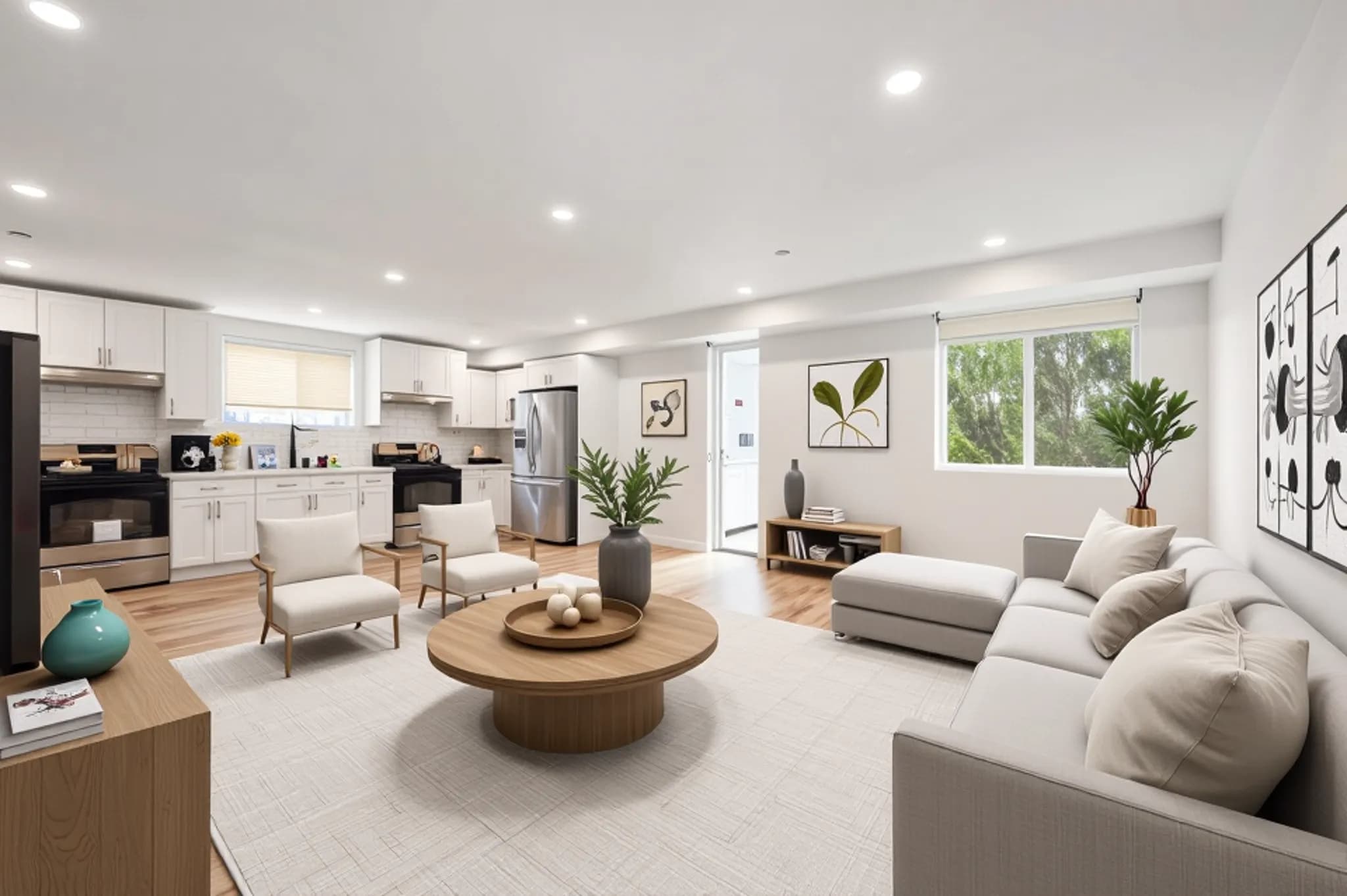
First month free on selected units!
Limited-time offer: Starting from $1049/month

Students often underestimate how much daily logistics affect their university experience. A short walk to campus can transform everything from study habits to social life.
Housing located within walking distance allows students to easily move between classes, libraries, dining areas, and campus events without depending on public transportation or rideshare services. Many students living near campus report that shorter commutes reduce stress and improve their ability to stay engaged with academic life.
This is one reason student housing searches increasingly include phrases like “walk to USC housing” or “walking distance apartments near USC.” These searches reflect a shift in priorities—students want housing that supports their lifestyle, not just a place to sleep.
Platforms designed around student needs, including Moo Housing, often highlight walkability because it directly influences daily convenience for USC students.
Not every apartment labeled “near USC” is realistically walkable. In a dense urban environment like Los Angeles, the difference between a five-minute walk and a twenty-minute walk can significantly affect daily routines.
These elements shape how comfortable and efficient a student's day becomes.
Because of this, housing providers specializing in student living increasingly organize listings around commute time rather than simple geographic distance. This approach reflects how students actually evaluate housing options.
Walkable housing offers benefits that go beyond saving time. It often improves the overall university experience.
Students living close to campus can easily attend early classes, return home between lectures, and access study spaces like Leavey Library or the Tutor Campus Center without long travel times.
Being able to walk back to your home quickly encourages participation in student clubs, evening events, and networking opportunities.
Los Angeles transportation costs can add up quickly. Living within walking distance eliminates the need for frequent rideshares, parking permits, or daily transit expenses.
A predictable commute—even a short walk—helps create a stable daily rhythm. Many students find they are more productive when their living environment is integrated into their campus routine.
The search process can feel overwhelming because listings move quickly and competition is high. Students who approach the search strategically often find better housing options.
When evaluating potential homes, consider these factors carefully:
Some student-focused housing platforms, including Moo Housing, structure their listings around these practical concerns. Instead of overwhelming students with thousands of listings, the goal is to surface housing options that match real student priorities such as walkability, move-in readiness, and predictable monthly costs.
The demand for walk to USC housing is not likely to slow down. Several trends support this shift:
First, USC enrolls thousands of students who eventually move off campus each year, creating constant demand for nearby housing options.
Second, rental prices across Los Angeles continue to rise, making efficient living arrangements increasingly important for students managing tuition and living costs.
Finally, the modern student lifestyle prioritizes convenience. Students want housing that reduces friction—whether that means furnished rooms, predictable costs, or simply the ability to walk to class in a few minutes.
Housing providers that understand these priorities are shaping the next generation of student housing around walkability and lifestyle design.
For students navigating the competitive USC housing market, walkability has become one of the most valuable factors in choosing a home.
Living within walking distance of campus simplifies daily life, improves access to resources, and allows students to focus on what truly matters: their academic and personal growth.
As more students search for walk to USC housing, platforms like Moo Housing are responding by organizing housing options around what students care about most—location, convenience, and a smoother transition into life near campus.

Finding the right place to live near the University of Southern California often comes down to one question: Can I walk to campus every day? In a city like Los Angeles, where transportation can easily become the most stressful part of student life, walkability is becoming one of the most valuable features in student housing. Students searching for walk to USC housing are not just looking for proximity—they are searching for a lifestyle that simplifies their daily routine. As USC continues to expand and more students move off campus, housing within walking distance of campus has become one of the most competitive segments of the local rental market.

Finding the right place to live near the University of Southern California often comes down to one question: Can I walk to campus every day? In a city like Los Angeles, where transportation can easily become the most stressful part of student life, walkability is becoming one of the most valuable features in student housing. Students searching for walk to USC housing are not just looking for proximity—they are searching for a lifestyle that simplifies their daily routine. As USC continues to expand and more students move off campus, housing within walking distance of campus has become one of the most competitive segments of the local rental market.

Finding the right place to live near the University of Southern California often comes down to one question: Can I walk to campus every day? In a city like Los Angeles, where transportation can easily become the most stressful part of student life, walkability is becoming one of the most valuable features in student housing. Students searching for walk to USC housing are not just looking for proximity—they are searching for a lifestyle that simplifies their daily routine. As USC continues to expand and more students move off campus, housing within walking distance of campus has become one of the most competitive segments of the local rental market.