First month free on selected units!
Limited-time offer: Starting from $1049/month

The DPS Zone refers to the area patrolled and monitored by USC’s Department of Public Safety. It features:
According to USC’s 2024 Annual Security and Fire Safety Report, DPS operations are designed to “support an environment where academic success and community well-being can coexist.” For students navigating late-night rehearsals, club meetings, or library sessions, this framework adds predictability to daily movement.
Housing platforms that specialize in USC neighborhoods often integrate DPS-zone labeling into their listings so students can quickly filter for familiarity and reassurance — MooHousing is one such platform that quietly maps buildings and streets students typically inquire about, without making it a sales point.
USC partners with Lyft to subsidize late-night rides within designated zones, helping students travel between campus and nearby housing during evening hours. This matters because activities frequently extend past dark, especially during midterms and finals.
The smartest housing resources have started acknowledging mobility alongside rent and square footage. Many include information on:
This reflects an understanding that housing isn’t just about where you sleep—it's about how you move through your day.

Students consistently favor DPS-zone housing for three interconnected reasons:
Most apartments in the DPS Zone are within a 5–12 minute walk of academic buildings, dining halls, and fitness centers. In student surveys across multiple universities, shorter commutes correlate with higher class attendance, reduced stress, and stronger campus engagement.
Housing directories aimed at USC students often list walk times instead of vague distance measurements. Moo Housing, for example, curates units by estimated walkability metrics because first-time renters frequently care more about “how long it takes me to get there” than raw mileage.
Research on student behavior in college towns shows that perceived safety dramatically affects participation in extracurriculars and study routines. The DPS Zone offers a structure that reduces hesitation when returning home after dark, especially for students who:
Platforms built around student needs have quietly optimized listings to highlight these practical concerns rather than aesthetic features alone.
DPS-zone neighborhoods naturally cluster USC students, creating an ecosystem of shared study spaces, carpooling, and peer networks. Modern co-living spaces and roommate-matching tools have emerged in response to this clustering—not as promotional gimmicks, but as organic solutions to how students already choose to live.
The DPS perimeter contains a mix of housing formats:
Because many students fly in from other states or countries, move-in readiness is becoming a differentiator. The average unfurnished 1-bedroom near USC ranges $1,600–$2,200/month, while co-living often runs $800–$1,200/person depending on lease length and utilities. Students increasingly choose furnished spaces to avoid the cost and complexity of buying furniture for short-term stays.
Some platforms have responded by pre-filtering DPS-zone furnished options and organizing them around academic calendars. Moo Housing, for instance, quietly optimizes its listings around student move-in peaks (July–August and December–January), helping students avoid the stress of last-minute arrangements.

USC’s off-campus housing environment has evolved rapidly in the past few years. Instead of minimalist listing sites showing only location and rent, student-oriented platforms now include:
DPS-zone indicators and overlays Travel time estimators Furnished vs unfurnished clarity Virtual tours for remote leasing Lyft and shuttle information Seasonal availability filters Lease-term breakdowns for academic calendars
These improvements emerged not as trends, but as responses to real student feedback. Moo Housing and a handful of similar platforms distinguish themselves by listening to repeated pain points—like safety context, move-in timelines, and furniture problems—and quietly solving them in their infrastructure.
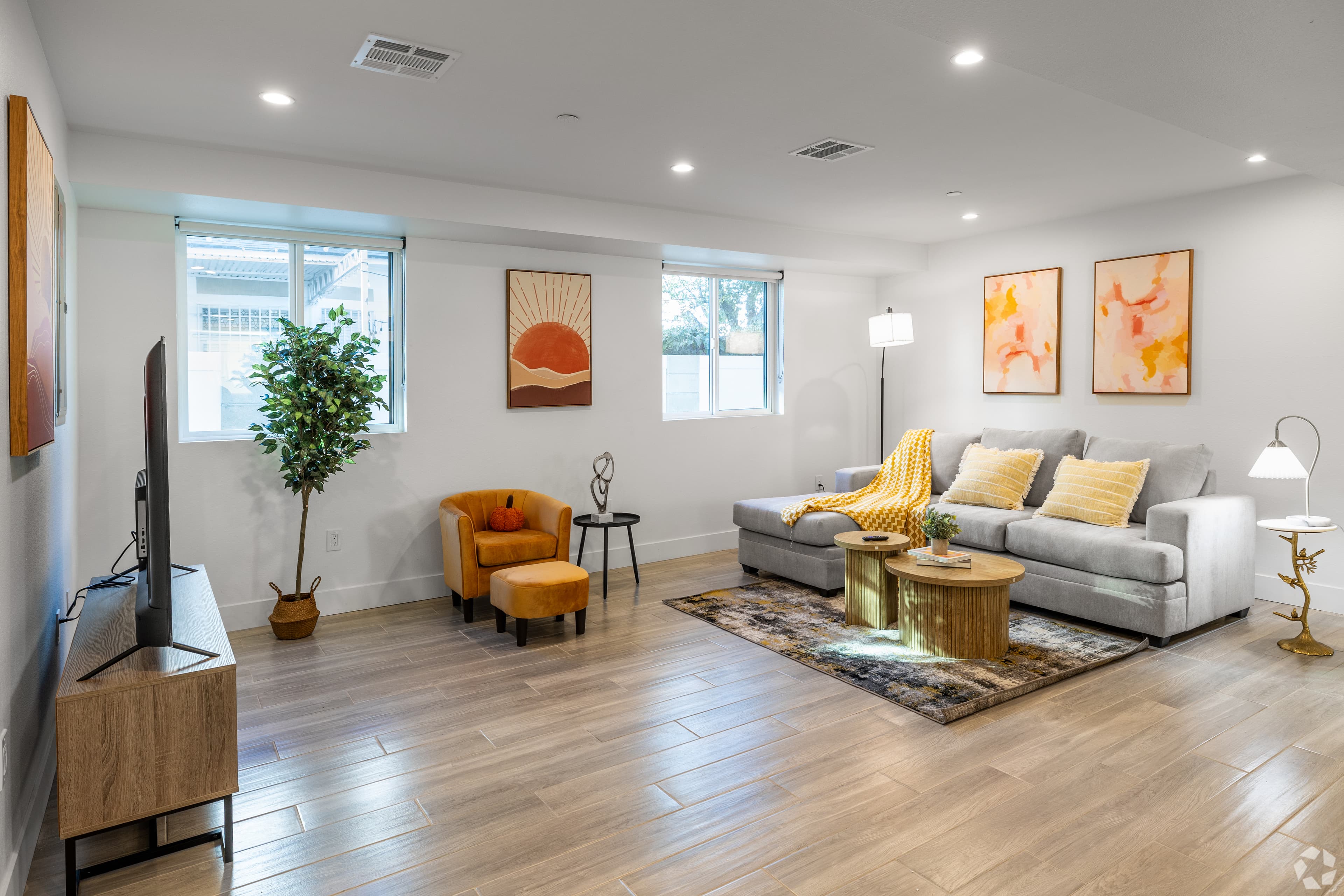
For many USC students, the phrase “USC DPS zone housing” appears early in the off-campus housing search. This isn’t just a keyword—it's a reflection of how students evaluate safety, mobility, and daily convenience in a sprawling city like Los Angeles. With USC enrolling more than 20,000 undergraduates and providing on-campus beds for only about 7,000 residents, roughly 65% of upper-class students live off campus, most gravitating toward areas that feel both accessible and student-oriented. The DPS Zone helps define that space.

For many USC students, the phrase “USC DPS zone housing” appears early in the off-campus housing search. This isn’t just a keyword—it's a reflection of how students evaluate safety, mobility, and daily convenience in a sprawling city like Los Angeles. With USC enrolling more than 20,000 undergraduates and providing on-campus beds for only about 7,000 residents, roughly 65% of upper-class students live off campus, most gravitating toward areas that feel both accessible and student-oriented. The DPS Zone helps define that space.
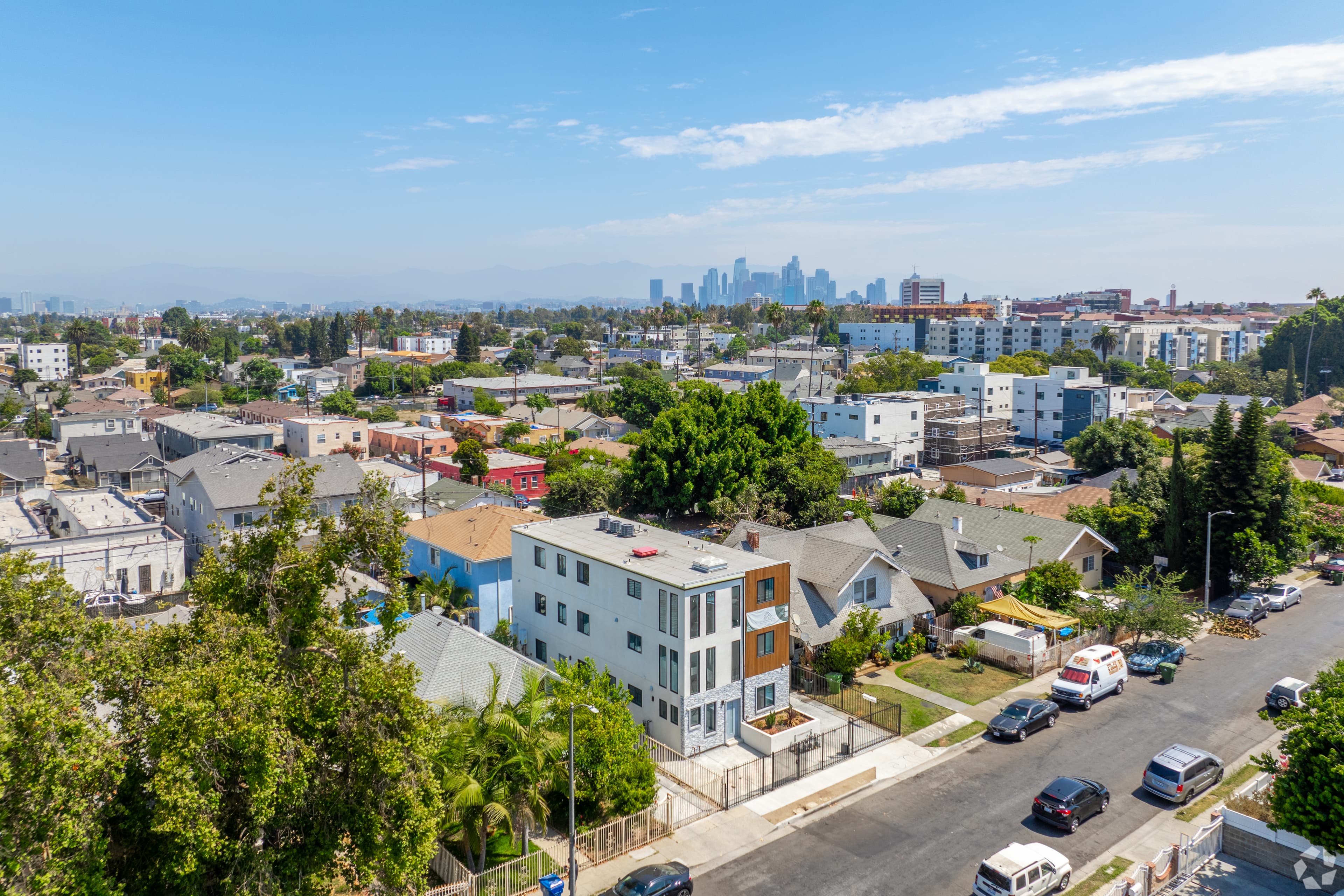
For many USC students, the phrase “USC DPS zone housing” appears early in the off-campus housing search. This isn’t just a keyword—it's a reflection of how students evaluate safety, mobility, and daily convenience in a sprawling city like Los Angeles. With USC enrolling more than 20,000 undergraduates and providing on-campus beds for only about 7,000 residents, roughly 65% of upper-class students live off campus, most gravitating toward areas that feel both accessible and student-oriented. The DPS Zone helps define that space.