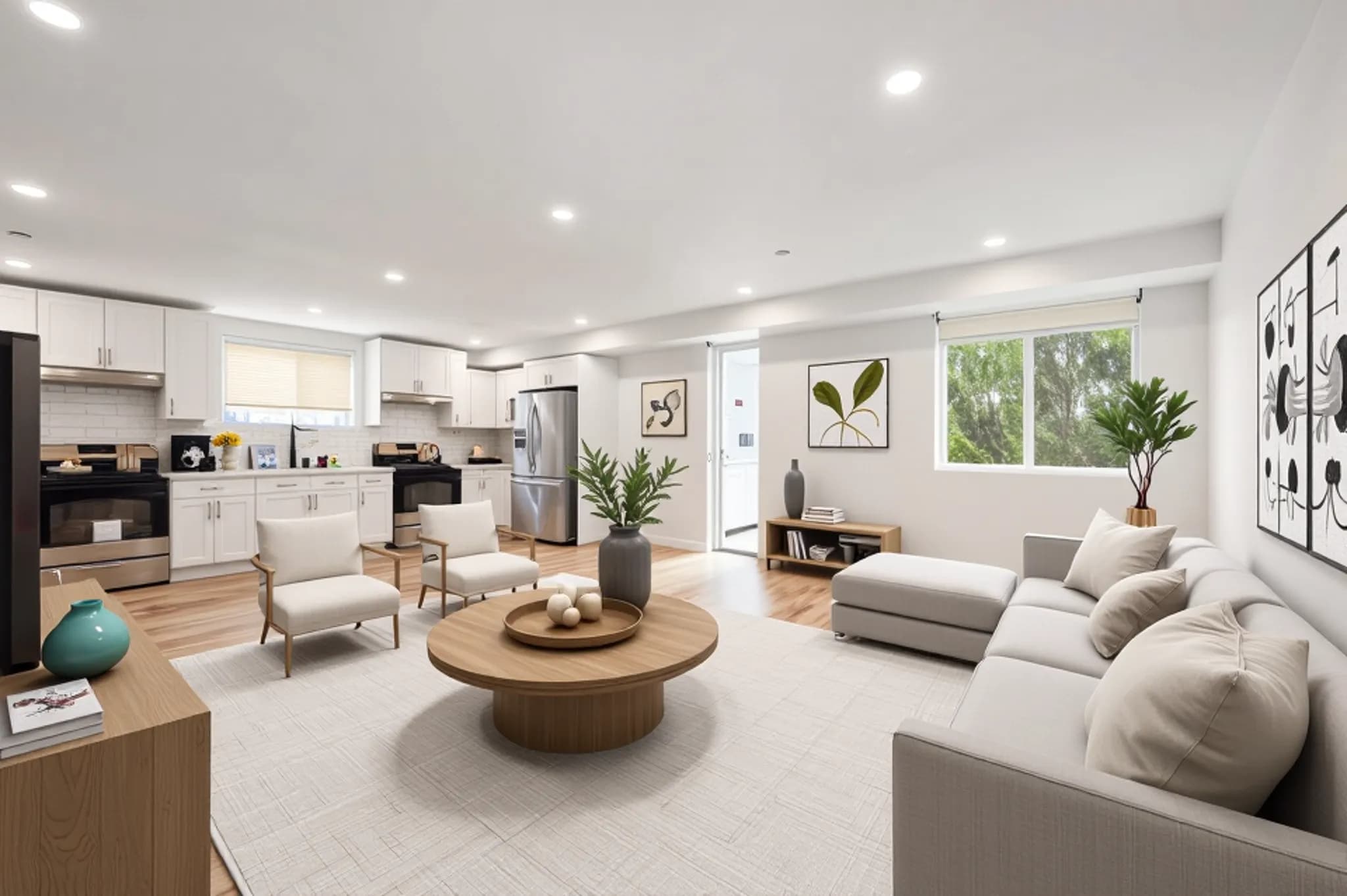
First month free on selected units!
Limited-time offer: Starting from $1049/month

Walkability refers to how easily residents can access essential destinations without needing a car or relying heavily on public transportation.
The most important component of walkable USC student housing is proximity to campus. Housing within a 5- to 15-minute walk provides maximum convenience and flexibility. Students can attend early classes, return home between lectures, and stay on campus later without worrying about commuting logistics.
This proximity also reduces dependence on parking availability, which is limited and expensive in Los Angeles.
Housing options offered by Moo Housing are strategically located near USC to help students reduce commute time and maintain a consistent daily schedule.
Walkable housing isn’t just about reaching campus. It also includes easy access to:
Students living in walkable locations experience fewer disruptions in their routine and can maintain better productivity.
When housing integrates naturally into a student’s daily ecosystem, it becomes more than a place to live—it becomes a foundation for academic and personal success.
Students often underestimate how much commuting affects academic performance. Long commute times can increase stress, reduce available study time, and create fatigue.
Saving just 20 minutes per day in commute time translates to over 120 hours saved per academic year. That time can be reinvested into studying, networking, internships, or personal well-being.
Students living in walkable housing experience fewer delays and more consistent routines, which improves long-term academic stability.
Walkable housing allows students to adapt their schedule easily. Whether attending group projects, office hours, or evening events, students maintain flexibility without worrying about transportation logistics.
This flexibility is especially valuable in competitive academic environments like USC.
Moo Housing prioritizes locations that align with how students actually live—close to campus and integrated into daily student routines.
While walkable housing may initially appear more expensive than distant housing, it often reduces overall living expenses.
Students living far from campus often pay for:
Walkable USC student housing eliminates or significantly reduces these expenses.
Students living nearby can easily return home between classes, reducing the need to spend extra money on campus food or temporary workspaces.
Efficiency translates directly into both financial savings and quality of life improvements.
Walkable housing is a finite resource. As USC enrollment grows and more students seek off-campus housing, units within walking distance become highly competitive.
Housing near USC is geographically constrained. Properties closest to campus tend to fill quickly, especially furnished units designed specifically for students.
This is why early housing planning is essential.
Moo Housing focuses on providing furnished student housing near USC that maximizes both convenience and lifestyle integration.
Modern students increasingly prioritize:
This shift reflects a broader change in student housing priorities—from maximizing space to maximizing daily efficiency.
Housing decisions affect daily habits, productivity, and overall well-being. Walkable housing provides long-term benefits that extend beyond convenience.
Students living in walkable housing often report:
By removing transportation barriers, students can focus fully on their academic and professional growth.
Moo Housing aligns with this shift by offering housing solutions designed specifically around student lifestyle patterns—not just rental availability.
The definition of ideal USC student housing has evolved. Students are no longer choosing housing based solely on price or size. Walkability has become one of the most important decision factors. Walkable USC student housing offers:
As student expectations continue to evolve, housing providers like Moo Housing play a critical role in offering housing options that align with modern student priorities.
For students seeking a smoother, more efficient university experience, walkability is no longer a luxury—it is becoming the standard.

For University of Southern California students, housing is no longer just about rent price or square footage. Increasingly, students are prioritizing something even more valuable: walkability. Choosing walkable USC student housing directly impacts daily life, academic performance, stress levels, and overall college experience. In a city like Los Angeles—where transportation can be unpredictable and time-consuming—living within walking distance of campus offers a powerful advantage. Students who can walk to class, grocery stores, gyms, and cafes gain more control over their time, reduce transportation costs, and experience a smoother transition into university life. Moo Housing has seen a clear shift in student preferences. Students today are not just searching for apartments—they are searching for locations that improve their daily routine and eliminate unnecessary friction.

For University of Southern California students, housing is no longer just about rent price or square footage. Increasingly, students are prioritizing something even more valuable: walkability. Choosing walkable USC student housing directly impacts daily life, academic performance, stress levels, and overall college experience. In a city like Los Angeles—where transportation can be unpredictable and time-consuming—living within walking distance of campus offers a powerful advantage. Students who can walk to class, grocery stores, gyms, and cafes gain more control over their time, reduce transportation costs, and experience a smoother transition into university life. Moo Housing has seen a clear shift in student preferences. Students today are not just searching for apartments—they are searching for locations that improve their daily routine and eliminate unnecessary friction.

For University of Southern California students, housing is no longer just about rent price or square footage. Increasingly, students are prioritizing something even more valuable: walkability. Choosing walkable USC student housing directly impacts daily life, academic performance, stress levels, and overall college experience. In a city like Los Angeles—where transportation can be unpredictable and time-consuming—living within walking distance of campus offers a powerful advantage. Students who can walk to class, grocery stores, gyms, and cafes gain more control over their time, reduce transportation costs, and experience a smoother transition into university life. Moo Housing has seen a clear shift in student preferences. Students today are not just searching for apartments—they are searching for locations that improve their daily routine and eliminate unnecessary friction.